The Waterly
"The Waterly" is a weekly all-things-water newsletter we share with our community covering the latest innovations and investment deal flow in the water sector and recent news on climate change and water-related crises.
"The Waterly" is a weekly all-things-water newsletter we share with our community covering the latest innovations and investment deal flow in the water sector and recent news on climate change and water-related crises.
Airbus plans to use hydrogen on its A380 jumbo jet by 2026. Burnt Island Ventures raises $30 million for Water startups. World leaders are gathering in Nairobi, Kenya to discuss first global plastic waste treaty. Erin Brockovich talks about pollutants linked to global electric car boom. Underwater cremations return you to ocean coral. Renée Martin-Nagle, founder of A Ripple Effect, is this week's highlighted WELL member.
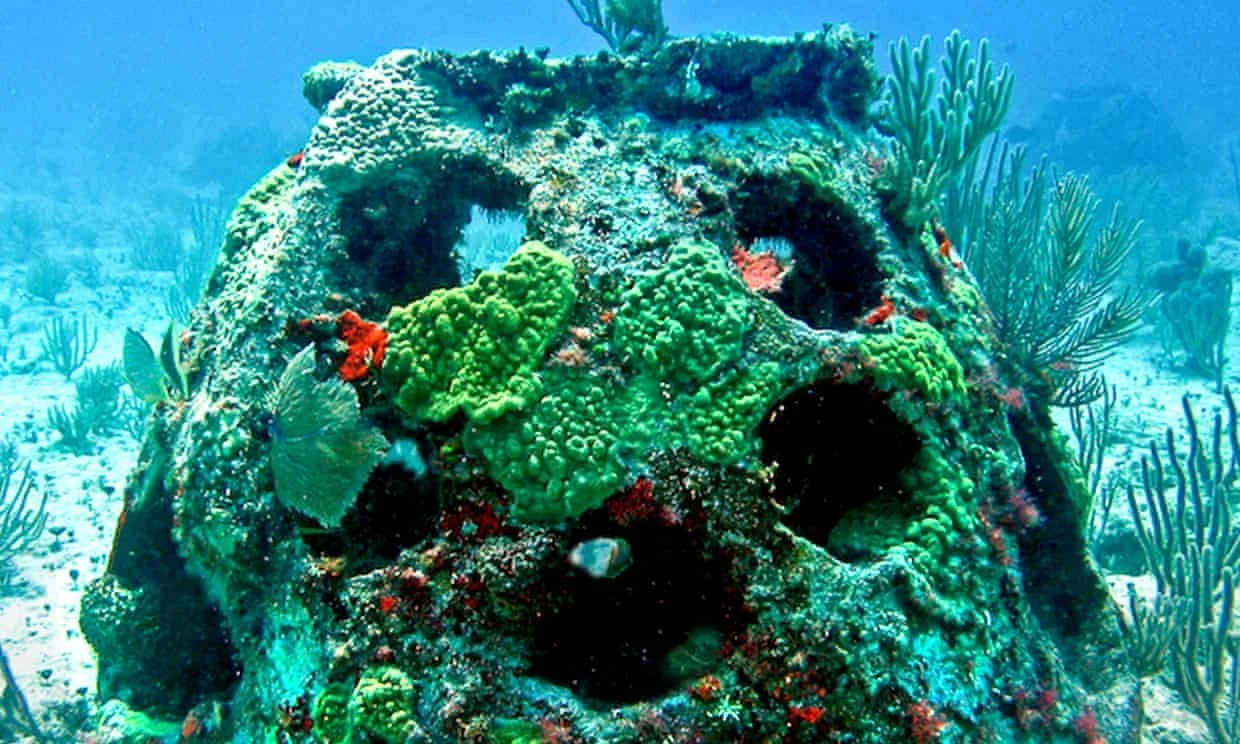
Your weekly Bonus - Becoming a 'coral' after you die, the new trend you should know about!
This week's water fact:

Amsterdam-based Seawind Ocean Technology signed a memorandum of understanding with London firm Petrofac to help deploy new two-bladed floating wind turbines in European waters by 2024, a press statement reveals.

Aircraft manufacturers and airlines are scrambling to slash their carbon emissions, which account for more than 2% of the world’s total.
Surface water monitoring technology is becoming an increasingly competitive landscape, as both the public and private sector seek to get a better understanding of the environmental impact on water sources.
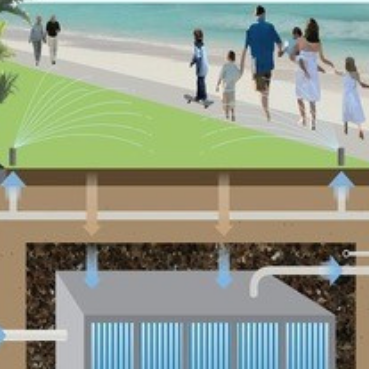
STAR Water Group, which makes both biofiltration technology and bioretention systems, is aiming to raise between US$700,000 to US$1 million in its public offering as it values its equity at $4.9 million.

Tthe U.S. Environmental Protection Agency (EPA) announced $20M in available grant funding to assist communities and schools with removing sources of lead in drinking water. This grant funding will help make rapid progress on the goal of addressing lead and removing lead pipes across the country.

“With the explosion of money going into climate tech, $40 billion [in 2021 alone], only $400 million is going into water, or 1%,” Ferguson says.

South Africa is set to increase its spending on water infrastructure at an average annual rate of 19.9% over the next few years as it looks to enhance the security of the national water supply.
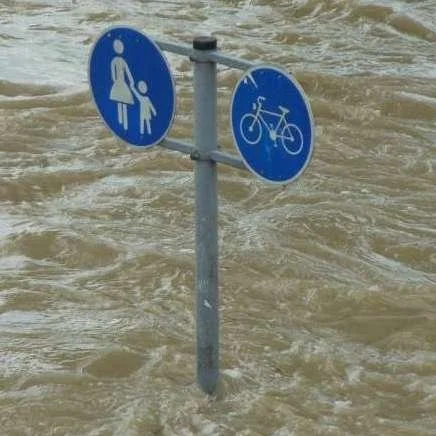
In a new study, North Carolina State University researchers used artificial intelligence to predict where flood damage is likely to happen in the continental United States, suggesting that recent flood maps from the Federal Emergency Management Agency (FEMA) do not capture the full extent of flood risk.

World leaders to gather in Nairobi next week to discuss first global treaty to combat plastic waste.
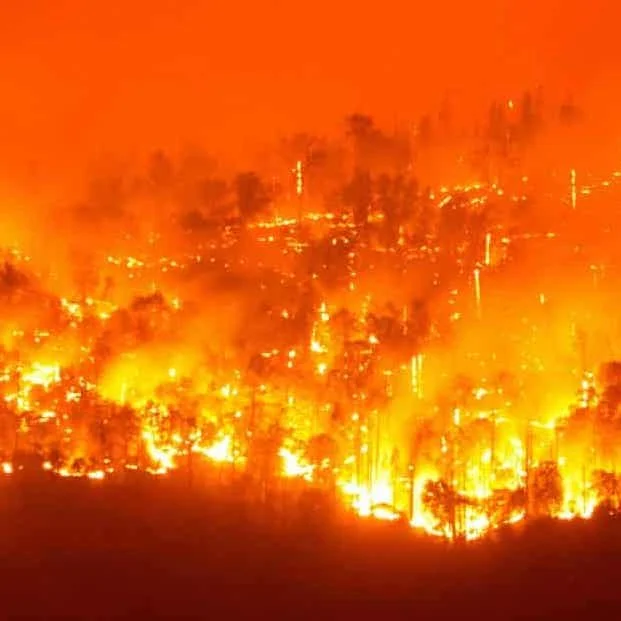
Wildfires that have devastated California, Australia and Siberia will become 50% more common by the end of the century, according to a new report that warns of uncontrollable blazes ravaging previously unaffected parts of the planet.

The federal government said Wednesday that it won’t deliver water to farmers in California’s agricultural belt, which produces roughly a quarter of the nation’s food, due to the extreme water shortages that are expected to deepen if the direly dry conditions continue through March.

Exclusive: Investigation uncovers evidence of contaminated air and water from one of Indonesia’s largest nickel mines.
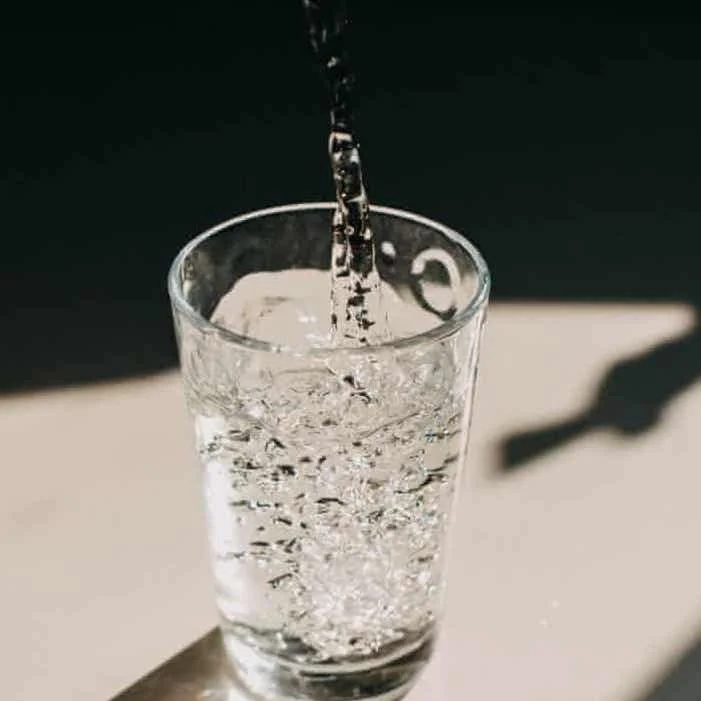
The study, published in Environmental Science and Technology, detected PFAS chemicals in 20% of private wells and 60% of public wells sampled in 16 eastern states, and offered new insights on how to predict which drinking water sources may be contaminated.
Renée Martin-Nagle founded A Ripple Effect to focus on water sustainability and serves as its President and CEO. Renée came to the water sector after a 20-year career as chief legal officer for Airbus Americas. Her thesis on sharing the ancient waters sequestered in fossil aquifers won an award for environmental law scholarship, which led to her joining the Environmental Law Institute as a Visiting Scholar. Renee's doctoral thesis, Governance of Offshore Freshwater Resources, was published as a book and has been called ground-breaking by reviewers.

Teaching international environmental policy at three universities has given her a broad perspective on environmental issues and the critical role that water plays in sustaining life. Her numerous publications and presentations call for a communal approach to water that ensures both intergenerational and interspecies equity for water.
Thank you Renée for your dedication to making a positive impact in the Water sector. We are happy to count you as a valued member of the WELL.
Do underwater cremation memorials help people regenerate marine habitats in death or are they a ‘greenwashing’ gimmick?