The Waterly
"The Waterly" is a weekly all-things-water newsletter we share with our community covering the latest innovations and investment deal flow in the water sector and recent news on climate change and water-related crises.

"The Waterly" is a weekly all-things-water newsletter we share with our community covering the latest innovations and investment deal flow in the water sector and recent news on climate change and water-related crises.
New PET-like plastic made from plants, cement from algae, and water-based batteries to replace lithium batteries. The Sustainable Ocean Alliance receives $15M to support new wave of 'ecopreneurs'. UN head declares 'ocean emergency' in latest UN ocean conference in Lisbon. Microplastics are spreading viruses. Find out the growing list of chemicals used in the US but banned in Europe. David Warsinger is this week's highlighted WELL member.
Your weekly Bonus - This artist is shining a light on water poverty in Ethiopia.
This week's water fact:

A Boston-area startup called Alsym Energy has introduced a rechargeable battery that could potentially match the performance of lithium-ion batteries at a fraction of the price.

This new plastic has properties like polyethylene terephthalate (PET), a commonly used plastic, making it a promising candidate for its replacement.

Every year about two gigatons (2,000,000,000,000 Kg) of CO2 is released into our environment due to the production and usage of cement. According to a report from the United States Environment Protection Agency (EPA), cement ranks third among the top ten biggest sources of industrial pollution.
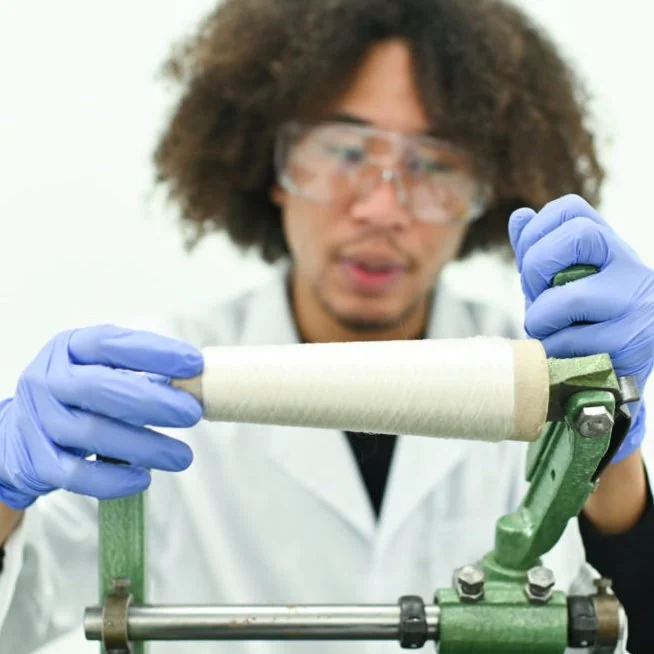
“With the opening of our new facility [we] are focused on expanding our production capabilities, partnerships, and team to address global demand more quickly,” AlgiKnit co-founder and CEO Tessa Callaghan said in a statement.

Now empowered by $15 million in new funding, the nonprofit hopes to expand its scope and more tangibly support the class of climate-motivated founders they call “ecopreneurs.”

An alliance of major fashion brands has announced that it is pausing its use of a tool to measure garments’ sustainability after critics described it as greenwashing.
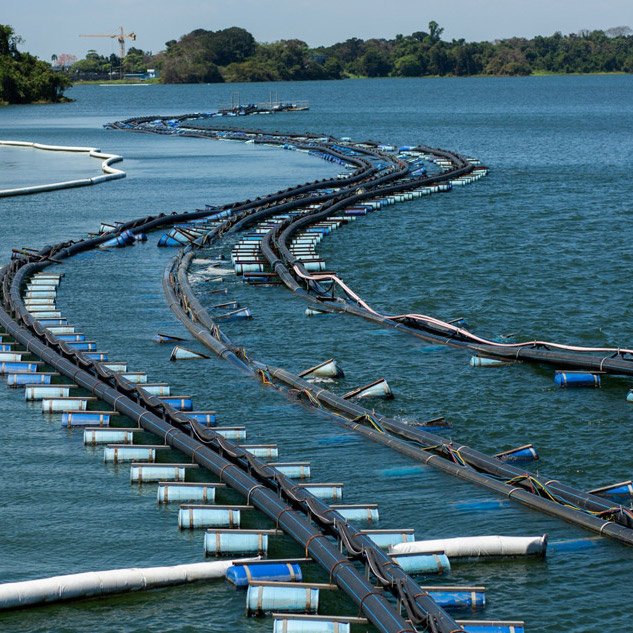
“It’s an industry that’s characterized [by] some of the most positive long-duration, inflation-protected pricing power of any industry,” says Water Asset Management’s Matthew Diserio.

António Guterres says the world must turn the tide of rising sea levels, ocean heating, acidification and plastics pollution.
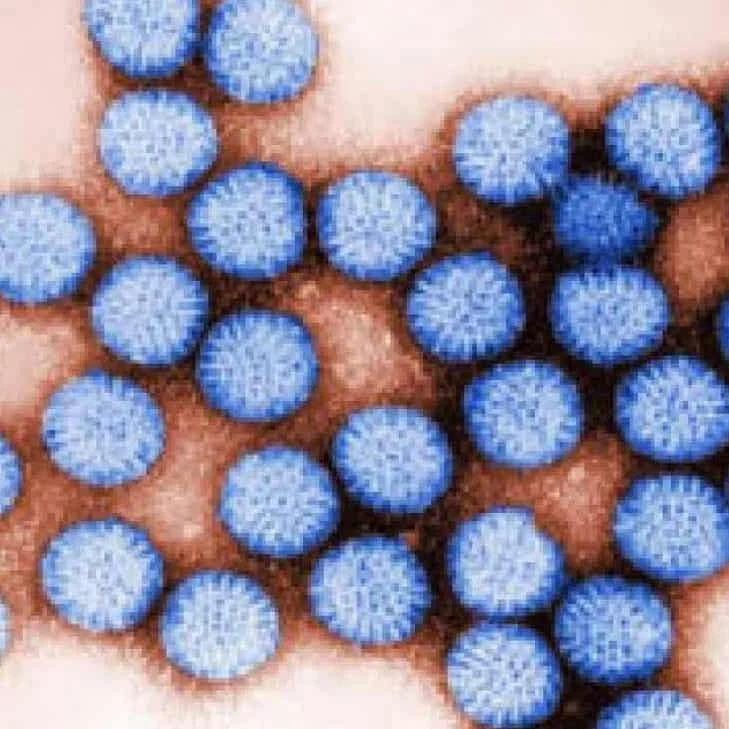
Enteric viruses that cause diarrhoea and stomach upsets, such as rotavirus, were found to survive in water by attaching to microplastics, tiny particles less than 5mm long. They remain infectious, University of Stirling researchers found, posing a potential health risk.
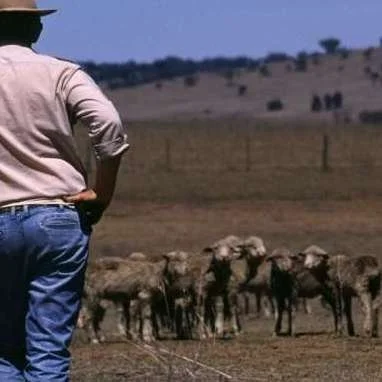
New research has found suicide increases during drought among men in Australia's rural communities, and the problem may be exacerbated due to climate change.

The EU is banning food whitener titanium dioxide. It is the latest example of a chemical deemed unsafe in Europe that’s still used in the US.

Though advocates have been pressuring federal regulators to impose stronger limits on per- and polyfluoroalkyl substances (PFAS) in drinking water and the environment, recent efforts to do so are raising questions about who will pay for the costs.
David is a scientist, teacher, inventor, and entrepreneur. He is motivated by what he sees as the biggest problems facing humanity: the nexus of energy, water, and food. David is an Assistant Professor at Purdue University in Mechanical Engineering managing his lab in the Birck Nanotechnology Center. David is a coauthor of over 30 published conference and journal papers, and 16 patent applications. David is involved with advising, fundraising and cofounding several startup companies in the fields of water treatment and food refrigeration.
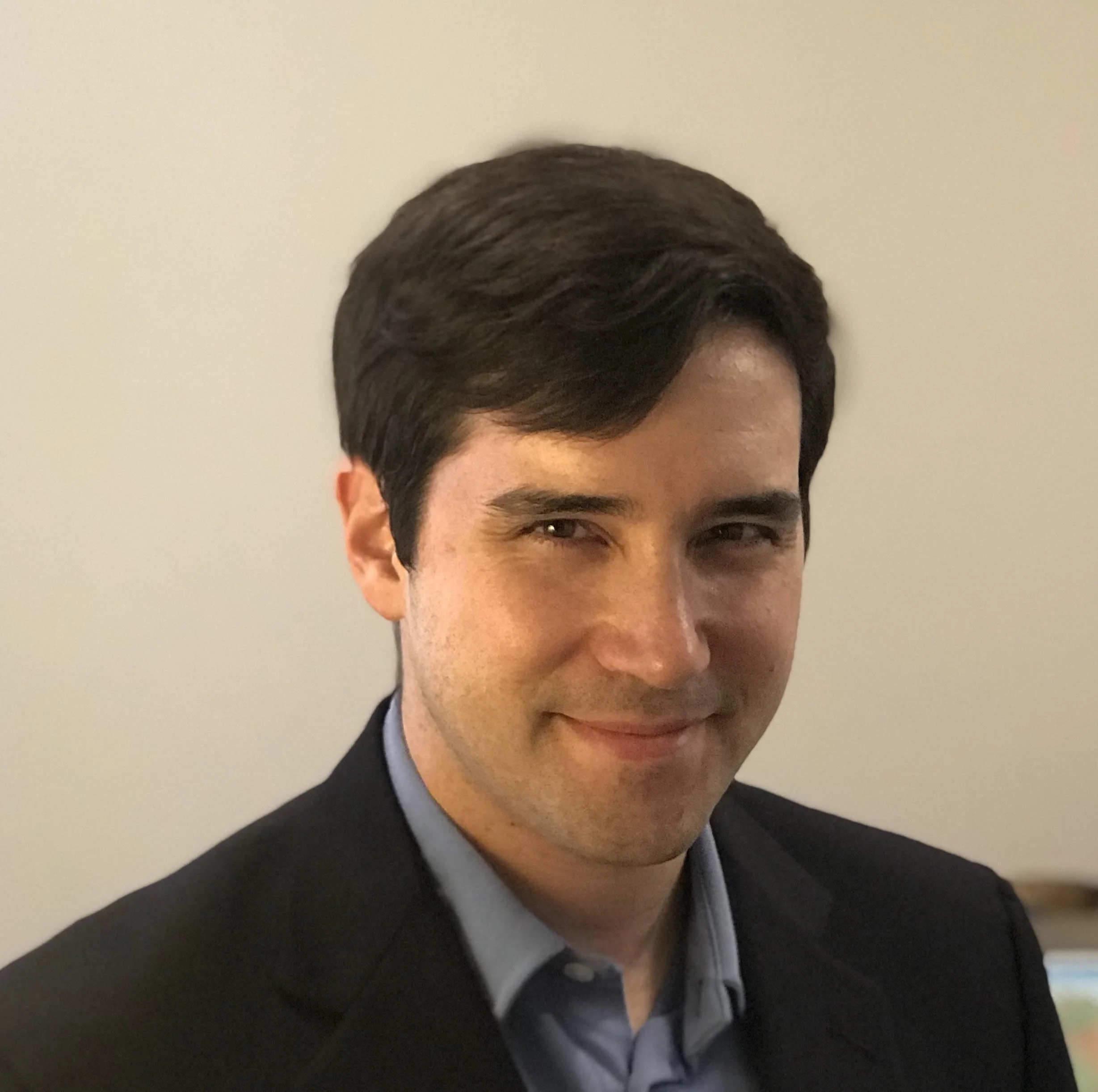
Thank you David for your passion and expertise for water and your work with our Water Emissaries. You are a true inspiration for Water Emissaries and the WELL community.
“Our continent has many layers,” she says. “However, we have been at the mercy of the international media that does not show the complexities of our challenges. My approach has been to tell a story from my perspective, not based on cliches often covered by foreign photographers.”

